
Common Logo Printing Options for Custom Promo Items
Compare screen printing, heat transfer, sublimation, laser engraving, embroidery, labels, embossing, and debossing for custom promotional products.
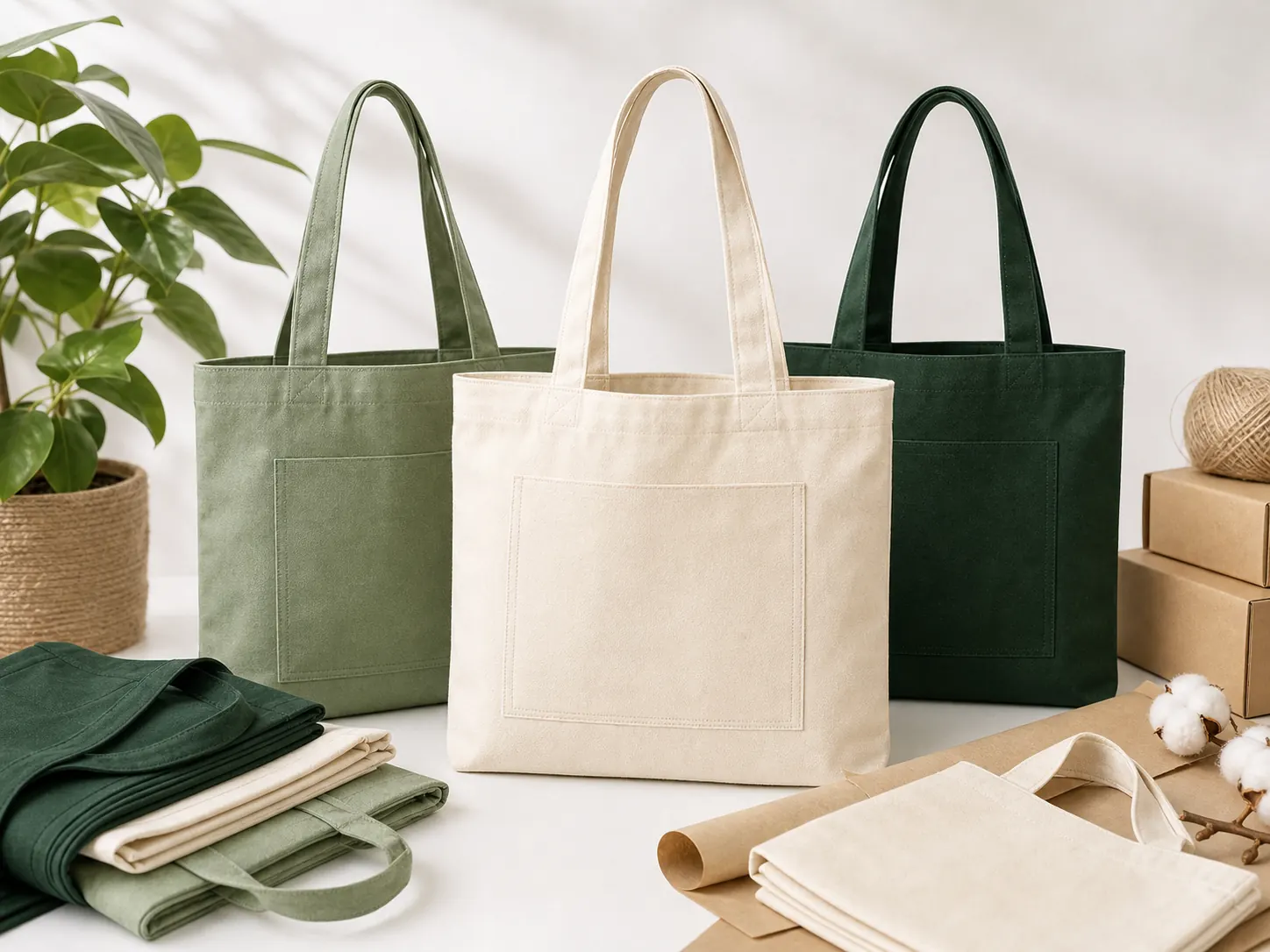
Screen printing for clear, simple artwork
Screen printing applies ink through a prepared screen and is widely used for bags, textiles, plastic items, and flat product surfaces. It is often efficient for larger quantities and logos with a limited number of solid colors.
The quotation depends on print colors, positions, artwork size, surface shape, and material. Fine gradients and photographic detail may require another method.
Heat transfer and sublimation for detailed graphics
Heat transfer can reproduce detailed, multi-color artwork on compatible fabrics and coated surfaces. It is useful when the design contains gradients or when shorter artwork setup is preferred. The feel, flexibility, and wash or abrasion expectations should be confirmed for the selected material.
Sublimation turns ink into the fabric or coating and is commonly used for polyester products and full-color surfaces. It works particularly well for all-over luggage covers, selected bags, mugs, and drinkware prepared for sublimation.
Laser engraving for durable metal branding
Laser engraving removes or changes the surface layer to create a clean, durable mark. It is often selected for stainless-steel drinkware, metal accessories, and premium gifts where a restrained finish supports the product value.
The final appearance depends on the base metal, coating, engraving depth, and artwork. Color reproduction is usually limited, so the method is best for logos that work as a single-color mark.
Embossing, debossing, and molded logos
Embossing raises a logo while debossing presses it into the material. These methods suit PU, leather-like surfaces, silicone, paper packaging, and selected plastic parts. A custom mold or tooling may be required, which affects setup cost and MOQ.
Molded logos can become part of a plastic, rubber, or silicone component. This provides an integrated appearance but normally requires more preparation than surface printing.
Embroidery, woven labels, and sewn branding
Embroidery creates a textured, durable mark on suitable bags and textiles. Stitch count, logo size, thread colors, fabric stability, and backing all affect the result. Very small lettering may need artwork simplification.
Woven labels, printed labels, and sewn patches are useful when direct printing is not ideal or when the buyer wants a repeatable branded detail across a product range.
How to select the right logo method
Compare the product material, surface shape, artwork detail, number of colors, print size, expected use, durability, quantity, target value, and sample timeline. The cheapest method is not always the best if it weakens readability or does not suit the surface.
Send vector artwork where possible and request a visual proof showing position and dimensions. For brand-sensitive or retail-facing orders, approve a physical sample or production-equivalent reference before bulk production.